



As countries continue investing in energy security, renewable power generation, and industrial expansion, the importance of high-voltage transmission infrastructure has never been greater. Electricity generated at power plants must travel safely and efficiently across long distances before reaching substations, industries, commercial facilities, and residential communities. This critical responsibility is managed through well-designed transmission networks developed by experienced contractors.
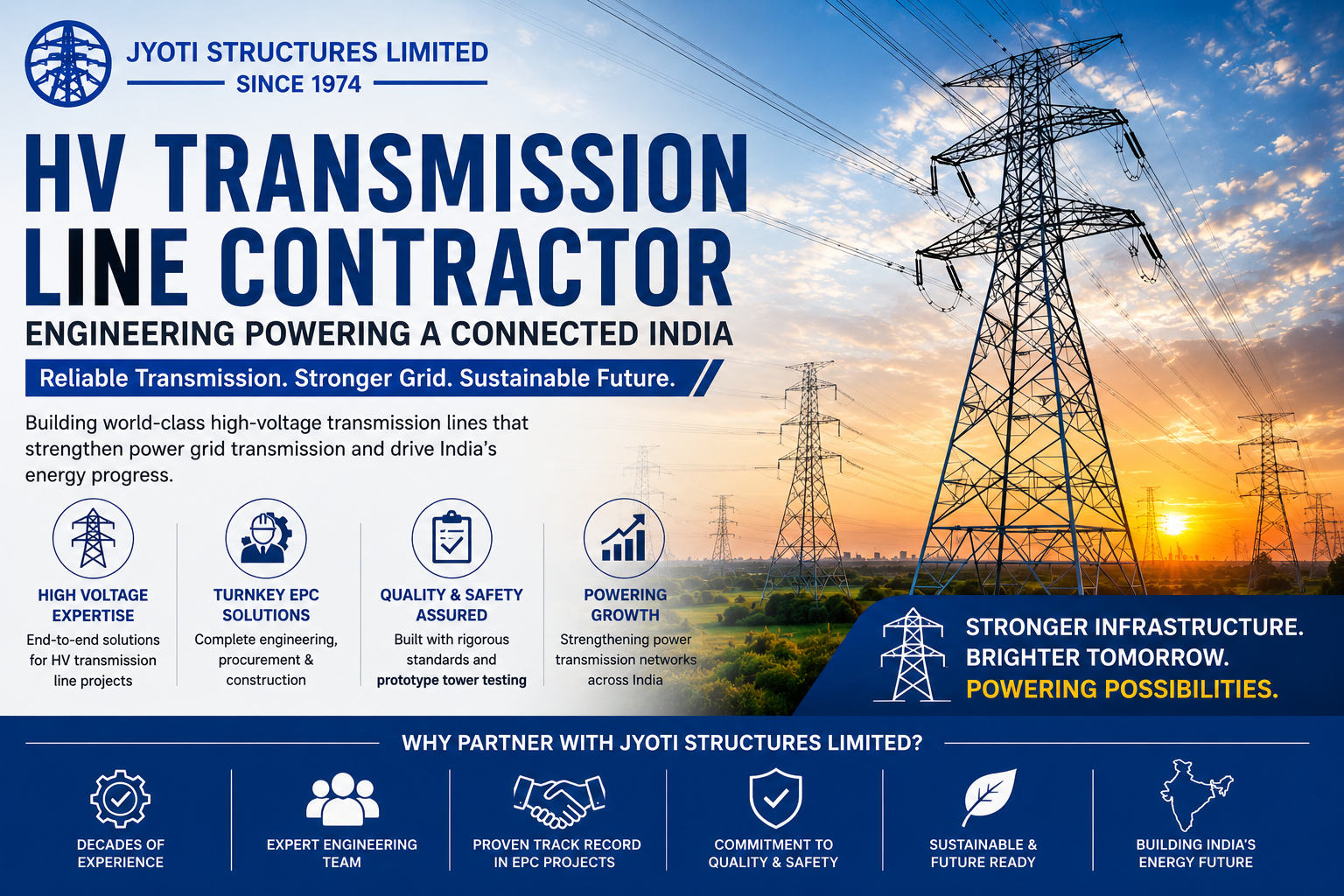
An HV Transmission Line Contractor plays a significant role in planning, engineering, constructing, and commissioning transmission infrastructure that forms the backbone of modern power systems. Reliable transmission networks not only improve grid stability but also enable economic growth, industrial development, and sustainable energy integration.
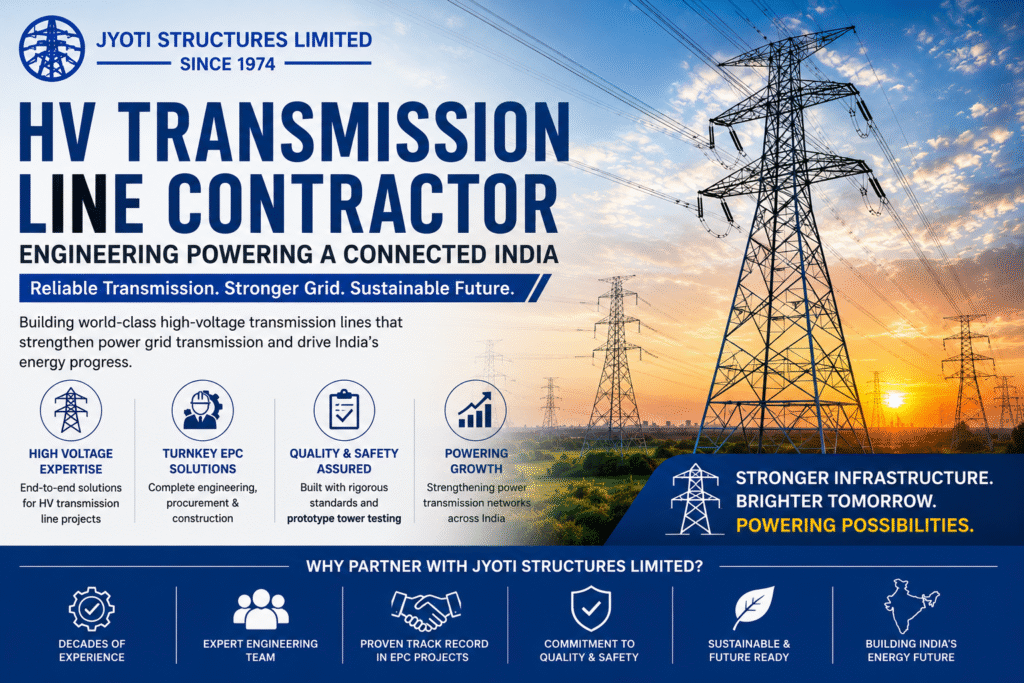
Among the organizations contributing to this sector, Jyoti Structures Limited has built decades of expertise in engineering, transmission infrastructure, substations, and integrated project execution, supporting reliable electricity connectivity in India and international markets.
The Importance of High-Voltage Transmission Infrastructure
Electricity demand continues to increase due to urbanization, manufacturing growth, smart cities, data centers, and renewable energy projects. While power generation is essential, efficient transmission infrastructure is equally important because electricity must be transported with minimal losses over long distances.
High-voltage transmission systems make this possible by reducing transmission losses and improving operational efficiency. These systems require advanced engineering, quality materials, and precise execution to ensure long-term reliability.
Modern transmission infrastructure supports:
- National grid expansion
- Industrial development
- Renewable energy connectivity
- Reliable electricity distribution
- Sustainable economic growth
Without dependable transmission networks, even the most advanced generation facilities cannot deliver electricity effectively.
Responsibilities of an HV Transmission Line Contractor
Large-scale transmission projects require coordination across multiple engineering disciplines. A professional contractor is responsible for managing every stage of project development while maintaining quality, safety, and technical compliance.
Typical responsibilities include:
- Route planning and feasibility studies
- Engineering and structural design
- Procurement of project materials
- Transmission tower installation
- Foundation construction
- Conductor stringing
- Testing and commissioning
- Project quality management
These activities ensure that transmission infrastructure performs reliably throughout its operational life.
Engineering Excellence Creates Reliable Infrastructure
Successful transmission projects begin with detailed engineering. Every structure must be designed to withstand environmental conditions, electrical loading, wind pressure, and terrain variations.
Within the power transmission industry, engineering decisions directly influence infrastructure safety, durability, and operational efficiency.
Modern engineering practices include:
- Digital design and structural analysis
- Geotechnical investigations
- Load optimization
- Material selection
- Risk assessment
- Compliance with international engineering standards
Companies investing in engineering capabilities are better positioned to deliver reliable infrastructure for future energy demands.
Integrated EPC Solutions Improve Project Delivery
Today’s infrastructure projects require seamless coordination between engineering, procurement, construction, testing, and commissioning.
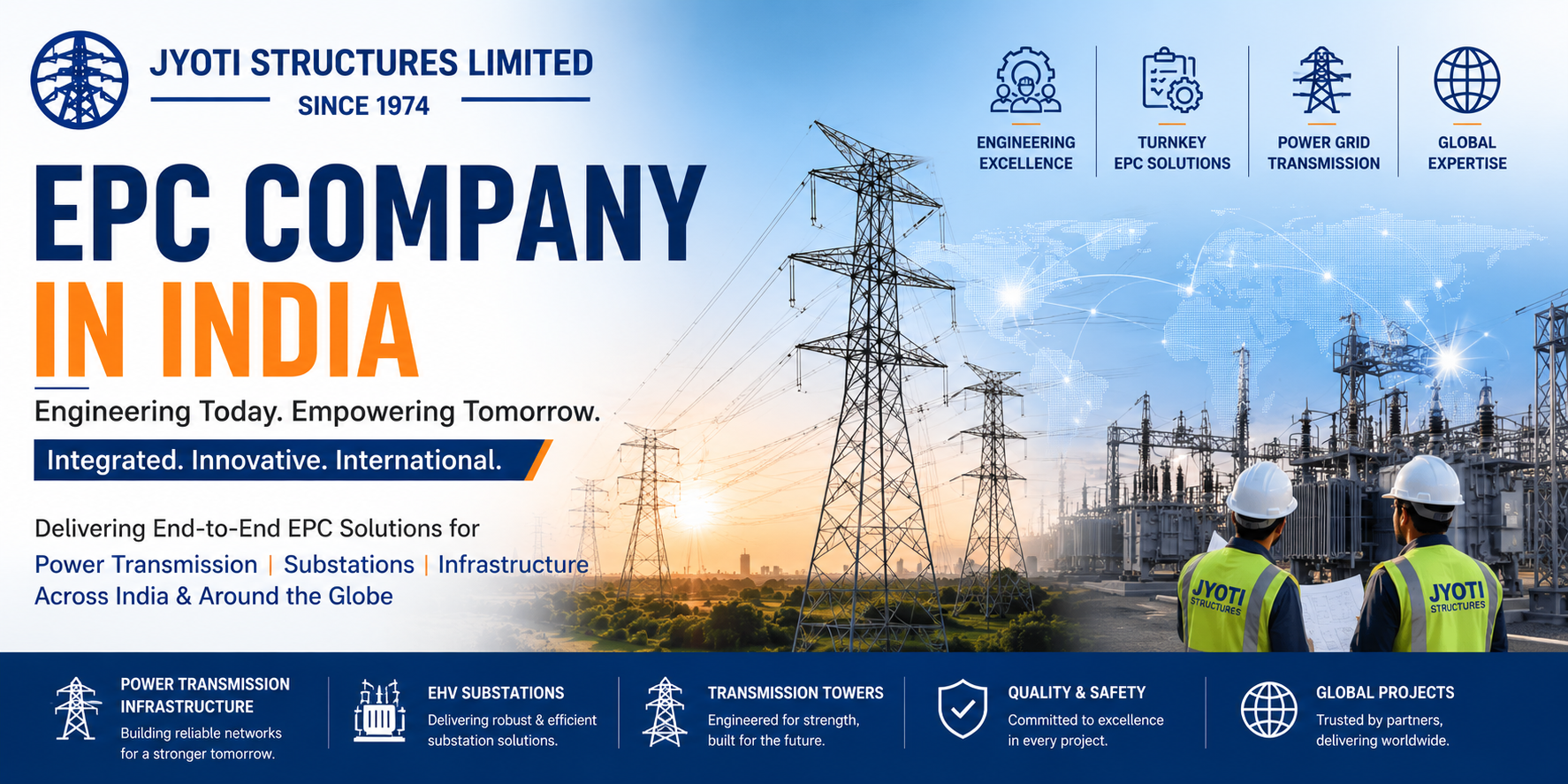
Organizations recognized as an EPC Company provide integrated execution models that improve project visibility, reduce coordination challenges, and enhance delivery efficiency.
Similarly, turnkey EPC solutions allow project owners to work with a single organization responsible for the complete project lifecycle—from concept and engineering through construction and commissioning.
Integrated project delivery offers several advantages:
- Improved quality assurance
- Faster execution timelines
- Better cost management
- Reduced project risks
- Enhanced communication between project teams
These benefits become increasingly important for complex transmission infrastructure projects.
Supporting Power Grid Transmission
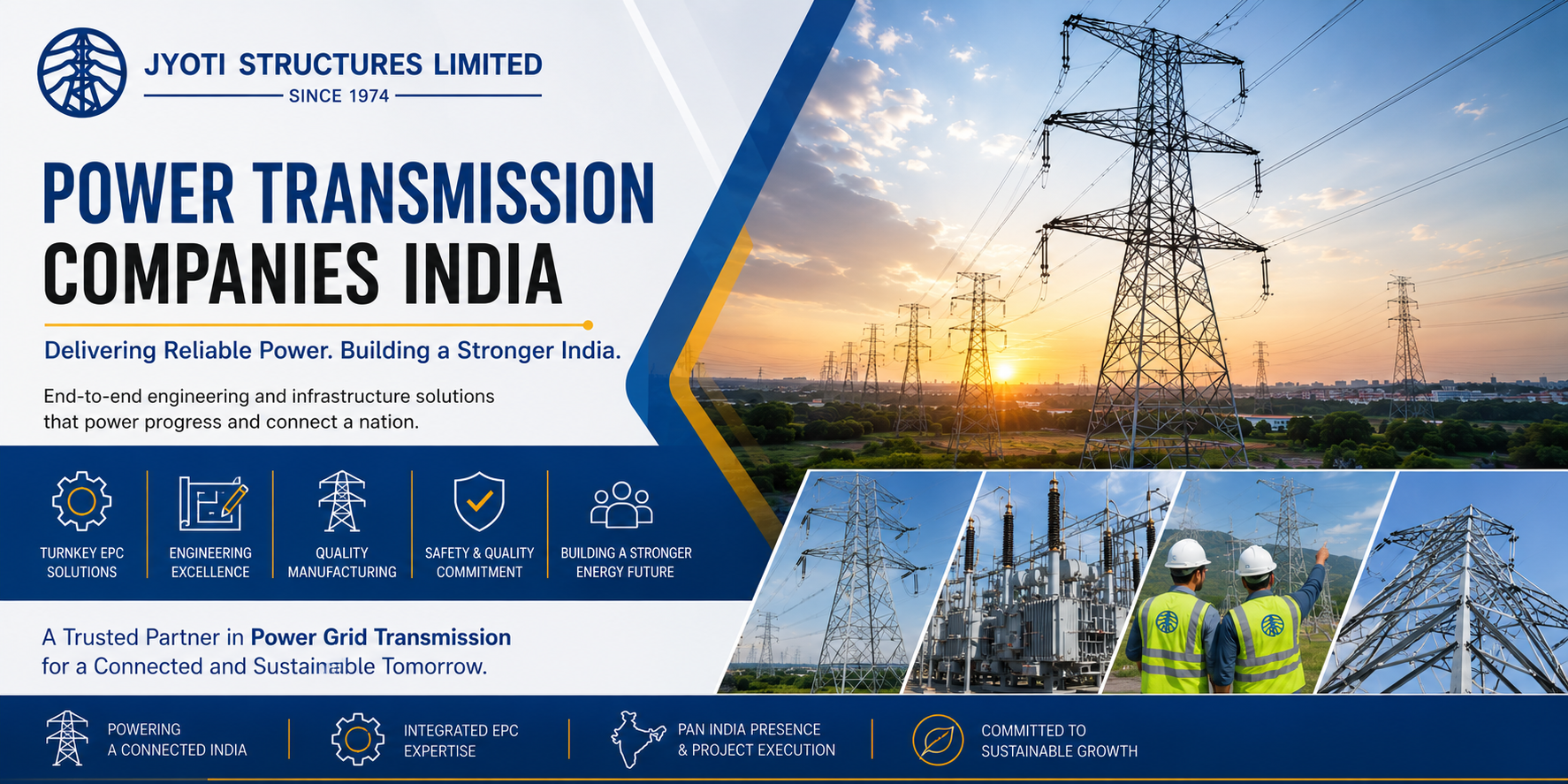
Reliable Power Grid Transmission infrastructure is essential for connecting power generation facilities with substations and distribution networks. As renewable energy projects continue expanding across India, transmission systems must also evolve to accommodate higher capacities and changing grid requirements.
Modern grid infrastructure supports:
- Long-distance electricity transmission
- Renewable energy integration
- Improved grid resilience
- Energy security
- Future infrastructure expansion
Transmission contractors contribute significantly by delivering infrastructure that enables stable and efficient power movement across regions.
Quality Assurance Through Advanced Testing
Infrastructure reliability depends on both engineering and quality validation. Every transmission structure must meet rigorous technical standards before becoming operational.
One of the most important quality assurance processes is prototype tower testing, which validates structural performance under simulated loading conditions. This process helps verify strength, stability, and design performance before large-scale manufacturing begins.
Quality assurance also includes:
- Material inspection
- Dimensional verification
- Structural validation
- Safety compliance
- Final project testing and commissioning
These processes help ensure long-term infrastructure reliability.
The Contribution of Jyoti Structures Limited
With decades of experience in transmission infrastructure, Jyoti Structures Limited has established itself as a trusted engineering organization supporting modern energy development. The company provides integrated infrastructure solutions covering engineering, manufacturing, substations, and transmission line project execution.
Its expertise in complex transmission projects reflects a strong commitment to engineering excellence, quality-driven execution, and infrastructure innovation. By combining technical knowledge with efficient project management, Jyoti Structures Limited continues to support the development of resilient power networks that contribute to national infrastructure growth.
Looking Toward the Future
Energy infrastructure is evolving rapidly as governments and utilities invest in renewable energy, smart grids, and digital network management. High-voltage transmission systems will continue playing an essential role in connecting clean energy generation with growing demand centers.
Future transmission projects will increasingly focus on:
- Smart grid integration
- Renewable energy evacuation
- Digital engineering technologies
- Sustainable infrastructure development
- Grid modernization initiatives
Organizations capable of delivering integrated engineering and infrastructure solutions will remain essential partners in building tomorrow’s energy networks.
Conclusion
An experienced HV Transmission Line Contractor contributes far beyond construction activities. Engineering expertise, integrated project execution, quality assurance, and technical innovation all influence the reliability of transmission infrastructure.
As investment in Power Grid Transmission continues to grow, organizations offering comprehensive engineering and turnkey EPC capabilities will remain central to infrastructure development. Through decades of experience, Jyoti Structures Limited continues to support the advancement of the power transmission industry, delivering engineering-driven infrastructure solutions that help build stronger, more reliable, and future-ready energy networks.