




Welcome to Medtalks. As a trusted platform for medical insights and health education, we are committed to providing you with evidence-based, highly authoritative information. Today, we are deeply exploring a chronic, complex, and relapsing condition that has reached epidemic proportions globally: the obesity disease.
According to the World Health Organization (WHO), the global prevalence of this condition has more than doubled among adults since 1990, and in 2022, approximately 890 million adults were living with it. To help our Medtalks community navigate this public health challenge, this comprehensive guide covers the fundamental obesity causes, recognizes everyday obesity symptoms, and outlines the most effective, science-backed strategies for both obesity treatment and obesity prevention.
Defining the Condition: Beyond Just Weight
At its core, this medical condition is defined by an excessive accumulation of body fat that presents a significant risk to an individual’s health. It is not merely a cosmetic issue or a lack of willpower; it is a multifactorial disease that requires compassionate and professional medical attention.
To diagnose the condition, healthcare providers typically start with the Body Mass Index (BMI). For most adults, a BMI between 25.0 and 29.9 falls into the overweight category, while a BMI of 30.0 or higher indicates obesity. The condition is further broken down into classes: Class 1 (BMI 30 to <35), Class 2 (BMI 35 to <40), and Class III (BMI 40 or higher).
However, BMI does not directly measure body fat and can sometimes classify highly muscular athletes incorrectly. For a more accurate clinical picture, doctors also measure waist circumference and waist-to-height ratios. A waist-to-height ratio of 0.5 or greater, or a waist circumference exceeding 40 inches in men and 35 inches in women, signals an elevated risk for associated health problems.
Recognizing Obesity Symptoms and Complications
While the condition itself does not have traditional acute symptoms like a virus would, the physical burden of excess body fat creates distinct daily challenges. Common, day-to-day obesity symptoms include:
- Breathlessness and increased sweating.
- Snoring and difficulty maintaining physical activity.
- Joint and back pain, driven by increased mechanical stress on weight-bearing joints.
- Chronic fatigue and feelings of isolation or low self-esteem.
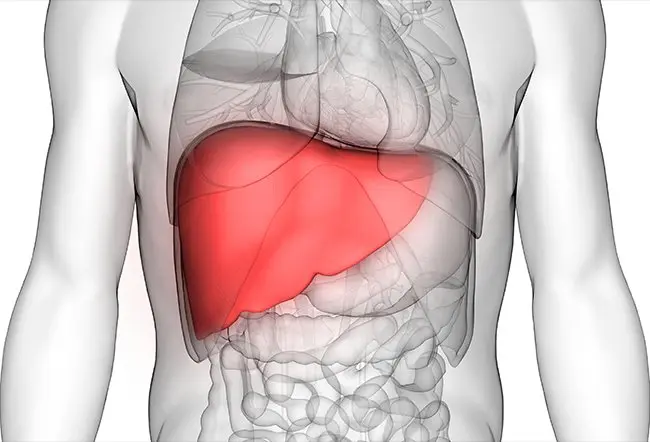
Beyond these daily struggles, enlarged fat cells secrete chemicals and hormones that trigger chronic inflammation and insulin resistance. This makes the disease a major catalyst for severe, life-threatening complications. Individuals with this condition face significantly higher risks of developing type 2 diabetes, coronary heart disease, stroke, and steatotic (fatty) liver disease. Furthermore, it elevates the risk for several types of cancer (including breast, colorectal, and ovarian cancers) and is linked to severe COVID-19 symptoms, sleep apnea, and osteoarthritis.
Unpacking Obesity Causes and Obesity Risk Factors
Understanding why excessive weight gain occurs requires looking far beyond simple caloric intake. While it is true that weight gain happens when you consume more calories than you burn, a highly complex web of obesity causes and obesity risk factors drives this energy imbalance.
For the Medtalks community, we emphasize that the key drivers include:
- Genetic and Biological Factors: Genetics play a powerful role in how your body converts food into energy, regulates appetite, and stores fat. The condition often runs in families, influenced by shared genes and shared environments.
- Lifestyle and Dietary Habits: Diets high in ultra-processed foods, saturated fats, and liquid calories (like sugary sodas and alcohol) combined with increasingly sedentary, screen-heavy lifestyles heavily contribute to weight gain.
- Medical Conditions and Medications: Underlying conditions like hypothyroidism (underactive thyroid), Cushing syndrome, or polycystic ovary syndrome (PCOS) can trigger weight gain. Additionally, medications such as steroids, certain antidepressants, anti-seizure drugs, and beta-blockers frequently list weight gain as a side effect.
- Stress and Sleep Deprivation: Chronic stress forces the body to produce cortisol, a hormone that drives cravings for high-fat and high-sugar “comfort foods”. Similarly, a lack of adequate sleep alters hunger hormones, increasing appetite.
- The Gut Microbiome: Emerging research indicates that the unique composition of your gut bacteria, which is influenced by your diet, can affect how efficiently you process food and whether you struggle with weight.
- Socioeconomic Environments: A lack of safe spaces for exercise, limited access to affordable healthy foods, and targeted marketing of unhealthy foods are profound societal drivers.
Modern Approaches to Obesity Management and Obesity Treatment
Because this is a chronic, relapsing condition, obesity management requires long-term commitment. At Medtalks, we want to highlight an incredibly positive clinical fact: losing just 5% to 10% of your total body weight can dramatically improve metabolic health and lower your risk of associated diseases.
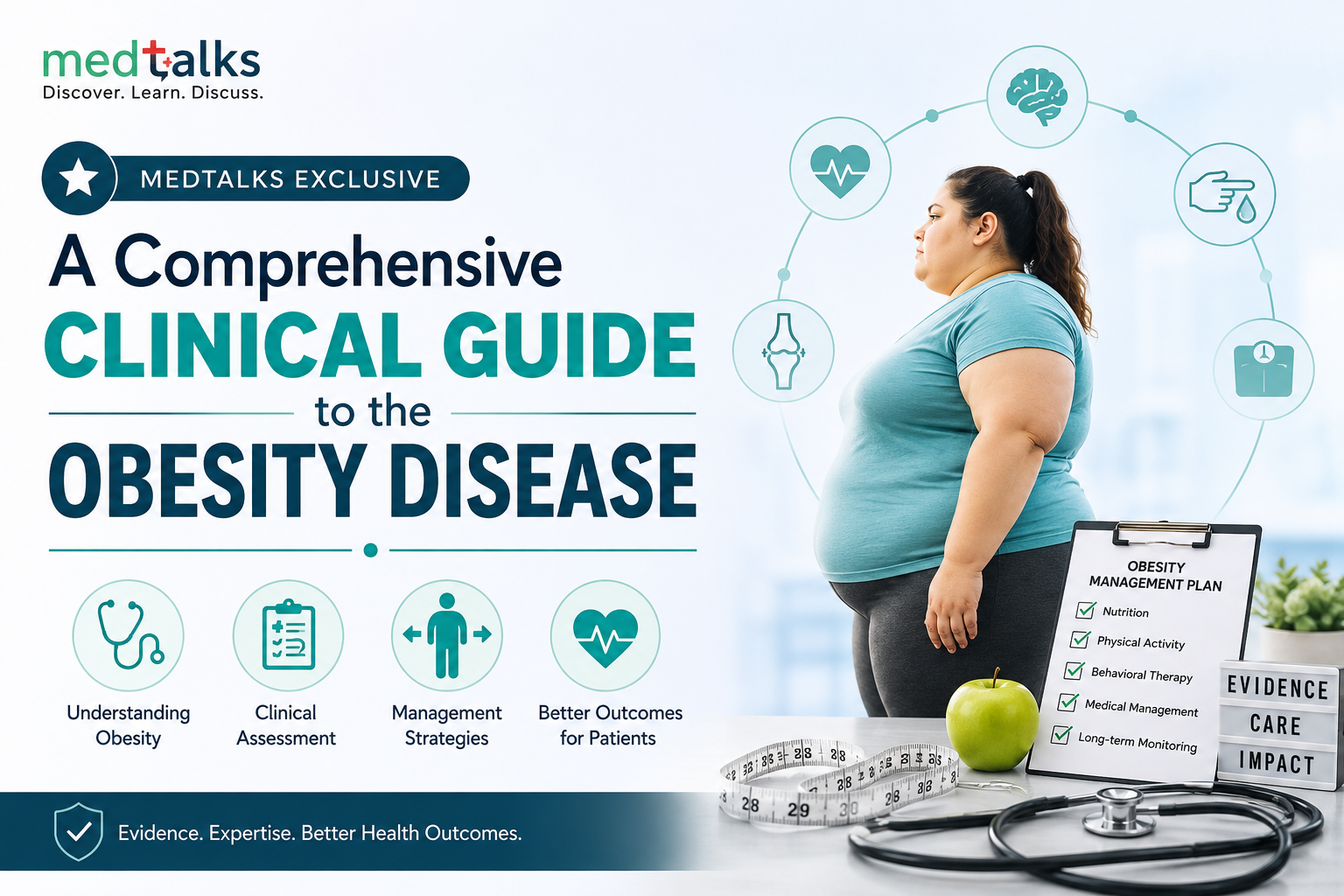
A comprehensive obesity treatment plan should be tailored by a healthcare provider and typically involves a combination of the following pillars:
1. Nutritional and Behavioral Modifications: The foundation of management is adopting a sustainable, reduced-calorie diet—such as the DASH or Mediterranean diet—paired with increased physical activity. Health professionals generally recommend 150 to 300 minutes of activities like brisk walking, swimming, or jogging per week. Incorporating cognitive behavioral therapy (CBT) and support groups can also help address emotional eating and reshape one’s relationship with food.
2. Pharmacological Interventions: When lifestyle changes are not enough, the FDA and WHO recognize several medications to treat the underlying metabolic drivers of the disease. These include:
- GLP-1 Agonists (e.g., semaglutide, liraglutide, tirzepatide): These innovative therapies mimic natural hormones to delay gastric emptying, suppress appetite, and help regulate blood sugar.
- Orlistat: A medication that blocks the digestive tract from absorbing some of the fat consumed in the diet.
- Combination Drugs: Medications like bupropion-naltrexone or phentermine-topiramate work on the brain’s craving and hunger centers.
3. Bariatric Surgery: For individuals dealing with Class III obesity (BMI of 40 or higher), bariatric surgeries such as a gastric bypass or a gastric sleeve can be highly effective. These procedures alter the digestive system to physically limit food intake and change the hunger signals sent to the brain.
Strategies for Lifelong Obesity Prevention
Given the complexities of losing weight and maintaining that loss, prioritizing obesity prevention is crucial. The body naturally attempts to establish a “set point” for its weight, making it highly protective of fat stores once they are established.
On an individual level, prevention means making proactive, daily choices. This includes intentional grocery shopping to keep high-calorie, ultra-processed foods out of the pantry, prioritizing 7 to 8 hours of sleep, monitoring screen time, and finding ways to safely burn an extra 150 calories a day. For infants and young children, practices like exclusive breastfeeding for the first six months and teaching positive physical activity habits are highly protective.
However, the WHO strictly notes that the burden of prevention does not fall on the individual alone. The obesity disease requires sweeping societal interventions. To truly halt the epidemic, we need global initiatives aimed at reducing sugar and salt in manufactured foods, restricting aggressive junk-food marketing directed at youths, and funding urban planning that creates safe, walkable communities.
Medtalks Final Thoughts
Living with excessive body weight can take a toll on both physical and mental well-being, but it is important to recognize that this is a deeply studied, highly manageable medical condition. Through science-backed nutrition, behavioral support, and modern medical therapies, achieving a healthier weight profile is highly attainable. If you are experiencing symptoms or are concerned about your metabolic health, the Medtalks team encourages you to partner with a licensed healthcare provider to build a personalized, long-term care plan.