


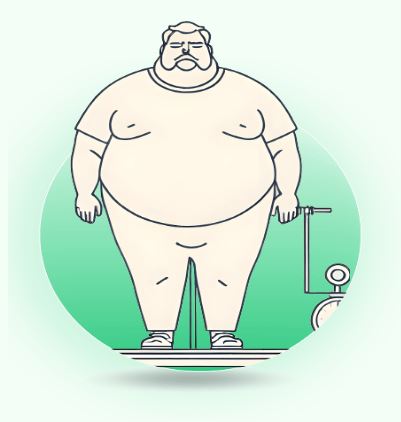
Obesity is a chronic health condition characterized by excess body fat that increases risk for diabetes, cardiovascular disease, certain cancers, and more1. While lifestyle measures like diet, exercise, sleep, stress management are foundational, many patients benefit from additional treatments. Overweight and obesity have become some of the most pressing challenges in modern healthcare. Between 1975 and 2016, the global prevalence of these conditions nearly tripled. By 2016, over one-third of the world’s adult population was classified as overweight, and around 12% as obese. In numbers, this corresponds to approximately 1.9 billion adults living with overweight and more than 650 million with obesity. Worryingly, the trend is also increasingly evident among children and adolescents2.
Losing even a small amount of weight, just 5–10% of body weight can lower blood sugar, improve blood pressure, reduce joint pain, and boost energy levels. While healthy eating, regular physical activity, good sleep, and stress control remain the foundation of weight management, many people find that these measures alone are not enough. Medications, surgery, or other treatments may provide additional support for such individuals.
This article reviews existing anti-obesity drugs (AODs) and alternatives, their effectiveness, safety, and how to choose what’s right for each individual.
What Anti-Obesity Drugs Are Available
Several medications are approved for long-term obesity management (AOMs). Major ones include:
- Orlistat: reduces fat absorption in the gut.
- Naltrexone-bupropion: works via appetite modulation and reward pathways.
- Phentermine-topiramate extended release (ER): suppresses appetite.
- Liraglutide: a GLP-1 receptor agonist, slows gastric emptying and increases satiety.
- Semaglutide: a more potent GLP-1 agonist.
- Setmelanotide: activates brain pathways to increase weight reduction by reducing hunger, and food intake
Recent studies also show that tirzepatide, a dual GLP-1/GIP agonist, produces even greater weight-loss benefits, especially when compared directly to semaglutide in people with obesity but without diabetes5.
How Much Weight Loss Can Be Expected
The amount of weight loss depends on the drug, dose, patient characteristics, duration, and whether lifestyle changes are also made. Some data:
- In the CONQUER and EQUIP trials, phentermine-topiramate ER produced ~7-11% body weight loss over 1 year in different populations6.
- In newer trials, tirzepatide has achieved an average weight loss of 5-20.9% in obese people in various trials, surpassing many older drugs7.
Safety, Side Effects, and Considerations
All medications can have side effects. Common ones include gastrointestinal discomfort (nausea, diarrhea, constipation), vomiting, headaches, insomnia, flatus discharge, or, more rarely, more serious risks depending on patient comorbidities. Tolerance tends to improve over time when doses are ramped gradually, especially with GLP-1 or dual agonists.
Contraindications are important: pregnancy, history of certain cancers (e.g., medullary thyroid carcinoma for GLP-1s), severe kidney or liver dysfunction, addiction history (for drugs like naltrexone), among others. Always consult a physician.
Alternatives & Adjuncts: Surgery, Devices, Natural/Herbal Options
When drugs are insufficient or not appropriate, several alternatives exist.
Surgeries and Medical devices8
Bariatric surgery is now a common treatment for obesity and is recommended for people who do not achieve enough results with medicines or lifestyle changes. It leads to greater and longer-lasting weight loss and improvements in health problems related to obesity compared with non-surgical treatments. However, because it is an invasive and permanent procedure, it is not suitable for everyone, especially those with serious health issues or those who prefer to avoid the risks of surgery.
Newer obesity treatments now include endoscopic and radiological devices, which are less invasive, simpler to perform, and often reversible. Endoscopic and device-based therapies for obesity work in different ways, such as creating early fullness and reducing food intake (intragastric balloon), lowering calorie absorption (Aspire Assist), or reducing stomach capacity (endoscopic sleeve). Others act by altering appetite hormones (gastric artery embolization), blocking hunger signals (vagal nerve blockade), or changing nutrient flow in the gut (duodenal bypass, magnetic anastomosis), leading to weight loss and improved satiety.
Lifestyle modifications9
- Losing weight depends on eating fewer calories than your body uses. A daily cut of about 500 calories can help you lose around half a kilo weekly.
- Most women do well on 1000–1200 calories per day, and men on 1500–1800. Very low-calorie diets (below 800) are not safe long-term and often cause weight regain.
- Your meals should include carbohydrates, proteins, fats, vitamins, and minerals. Skipping nutrients can harm your health.
- Types of Diets:
- Low-carb diets can reduce weight and improve blood sugar and cholesterol.
- Low-fat diets should limit fried foods and bad fats, but include healthy fats like nuts, seeds, and oils.
- High-protein diets help you feel full and support weight loss.
- High-fiber/low GI diets (whole grains, fruits, vegetables, beans) improve digestion and blood sugar.
- What Works Best: An “ideal diet” has more protein, plenty of healthy carbs with fiber, and good fats (like omega-3s), along with enough vitamins and minerals.
- Eat smaller portions, include salads, drink enough water, and watch out for overeating when stressed or eating out. Family support and dietitian guidance make changes easier to stick with.
Natural herbal options
Natural weight-management agents are mainly plant-based, sourced from fruits, vegetables, grains, and herbs. Their benefits come from phytochemicals, fiber, and healthy fats. Several natural products, such as blueberry, mulberry, soyabean, coffee, green tea, turmeric, etc., are being studied for their role in weight management10.
Emerging & Pipeline Therapies
Research continues into new pharmacotherapies11–13:
- Additional dual or triple agonists beyond GLP-1/GIP (targeting hormones such as PYY, CCK, etc.).
- Oral forms of GLP-1 or other gut hormone agents, potentially improving patient convenience.
Conclusion
Obesity management requires a comprehensive and individualized approach. While lifestyle changes remain the cornerstone, anti-obesity drugs, surgery, and devices provide valuable options for patients who need additional support. Newer agents such as tirzepatide show unprecedented weight-loss outcomes, but safety, tolerability, and patient-specific factors must guide therapy selection. A balanced strategy that integrates medical, surgical, and behavioral tools offers the best chance for sustainable weight reduction and long-term improvements in metabolic health.