




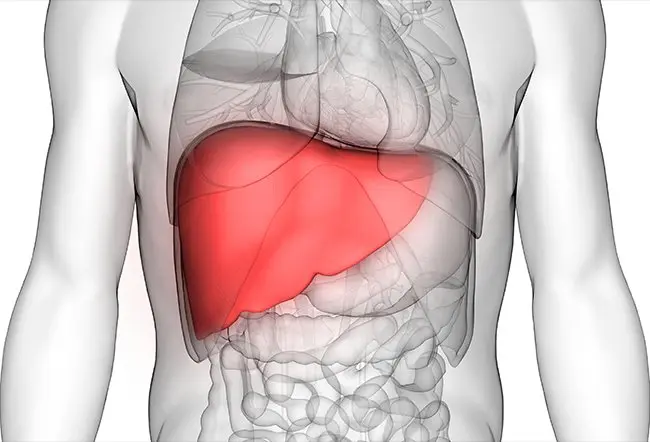
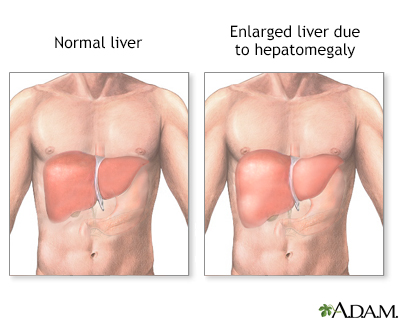
Hepatomegaly – simply put – means an enlarged liver. It is not a disease by itself, but a medical sign that your liver is bigger than normal. Your liver plays a vital role in detoxifying blood, processing nutrients, fighting infections and supporting metabolism. When it becomes enlarged, it usually reflects an underlying condition that needs careful medical evaluation.
Why Hepatomegaly Happens
There are many reasons that doctors find when they diagnose hepatomegaly. Common causes include liver diseases like viral hepatitis, non-alcoholic fatty liver disease (NAFLD), alcohol-related liver damage, metabolic disorders, and even heart conditions that cause congestion of blood in the liver.
Recognising the Symptoms
Some people with hepatomegaly do not notice any symptoms at first. Others may experience symptoms such as abdominal discomfort on the right side, fatigue, loss of appetite, nausea, jaundice (yellowing of skin and eyes), and swelling in the belly or legs. These signs should not be ignored and you must seek medical advice if they persist.
How Lifestyle Choices Affect Liver Health
Your lifestyle has a strong influence on liver health. Alcohol overuse, poor diet, and certain medications can all contribute to liver stress and enlargement. For this reason, maintaining a healthy lifestyle that includes balanced nutrition, regular physical activity, and avoiding excessive alcohol is key to preventing liver problems.
Safe sexual practices also matter. Engaging in unsafe sexual activity can put you at risk of sexually transmitted infections that affect liver health. Using condoms consistently not only protects against pregnancy and common STIs, but also lowers the risk of infections like hepatitis that can lead to liver enlargement.
Emotional and Hormonal Well-Being
Liver conditions like hepatomegaly can also indirectly influence hormonal balance and overall well-being. Many people, especially women, may notice changes in their energy levels, mood, or sexual desire in women when dealing with chronic health issues. This connection highlights why comprehensive health care – physical and emotional – is essential.
When to See a Doctor
If you notice persistent abdominal discomfort, unusual weight loss, ongoing nausea, or any change in your appetite or skin colour, consult a healthcare professional. Early diagnosis and lifestyle adjustments can prevent complications and improve overall quality of life.
Final Takeaway
Hepatomegaly is a sign that your liver may be under stress or dealing with an underlying problem. By understanding the symptoms, focusing on prevention, and adopting healthy habits – including risk-reducing behaviours like condom use – you can protect liver health and your overall well-being.